Ground Prepared for What Comes Next
Excavation in Clarksville for new construction, additions, and utility installations
Travis Excavating handles residential and commercial excavation across Clarksville and surrounding areas, preparing sites for foundations, driveways, utility lines, and additions. When your project requires removing soil to specific depths and grades, excavation sets the stage for everything that follows. The owner oversees each project directly, operating professional equipment to match site conditions and project specifications.
Excavation involves more than digging—it requires removing material to precise elevations, managing drainage flow, and ensuring stable soil conditions for the structures or systems being installed. Whether you're adding a foundation for a home addition, installing a septic system, or preparing a driveway base, the depth and grade of the excavation determine how well the finished work performs over time.
Schedule a site visit to review excavation requirements and discuss project timelines.
What Proper Excavation Requires
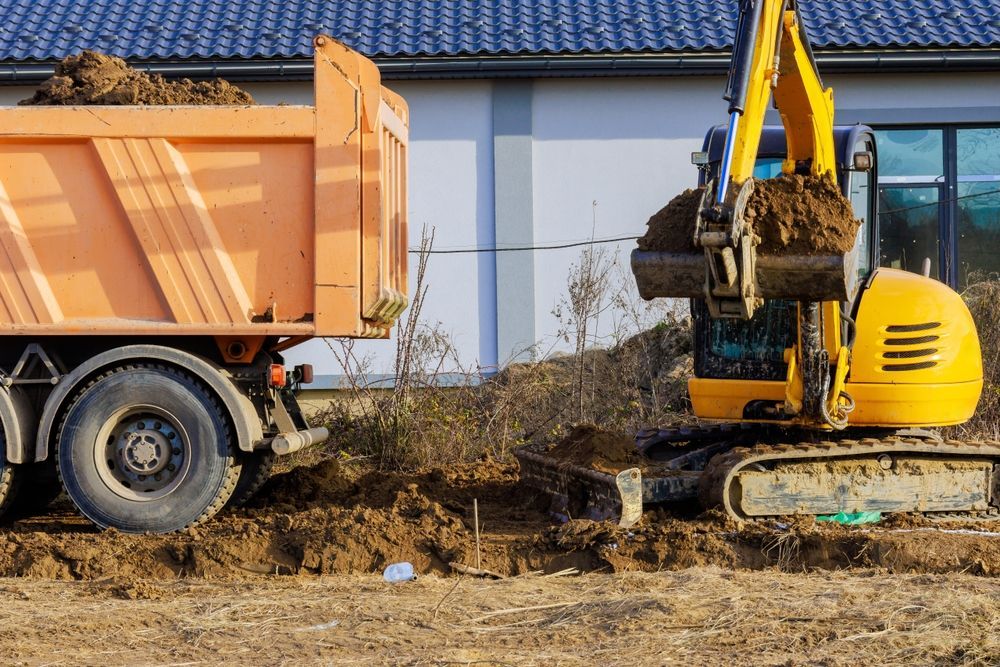
The process begins with marking utility lines and identifying any obstacles below grade, then removing soil in layers to reach the target depth without disturbing surrounding areas. Equipment selection depends on site access, soil type, and how much material needs to be moved—compact machines work in tight residential spaces, while larger excavators handle commercial sites and projects with significant earth removal.
After excavation is complete, you'll see level, compacted surfaces ready for concrete pours, gravel bases, or utility installations. Proper grading during excavation prevents water from pooling near foundations and ensures drainage flows away from structures. Travis Excavating coordinates work to meet construction schedules, so builders and contractors can move forward without delays caused by unfinished site prep.
Each project is evaluated based on soil conditions, site access, and the specific requirements of what's being built. Some sites require additional steps like soil stabilization or import of fill material, while others move straight from excavation to construction. The owner-operated approach means the same person who evaluates your site also operates the equipment, reducing communication gaps and ensuring the work matches the plan.
Questions Before Starting Your Project
Excavation work in north Tennessee involves planning around soil types that vary from clay-heavy compositions to rocky substrates, both of which affect how the work is sequenced and what equipment is needed.
What happens before excavation begins?
Utility lines are located and marked, site access is evaluated, and the excavation area is clearly defined to protect landscaping and structures outside the work zone.
How deep does excavation need to go for a foundation?
Depth varies based on local frost lines, soil bearing capacity, and building codes, but foundation excavations in Clarksville typically extend below the frost line to prevent shifting caused by freeze-thaw cycles.
What determines the cost of excavation work?
Factors include the volume of soil to be removed, site accessibility for equipment, soil conditions that affect digging speed, and whether excavated material stays on-site or requires hauling.
When should excavation be scheduled relative to other construction work?
Excavation happens after site clearing and utility marking but before any concrete or structural work begins, ensuring the ground is ready when builders arrive.
How is drainage handled during excavation?
Grading is planned to direct water away from excavated areas, and slopes are shaped to prevent water from collecting near foundations or in utility trenches.
Travis Excavating serves residential and commercial clients throughout the Clarksville area with owner-operated excavation services tailored to each site. Contact us at (931) 801-5485 to review your project and arrange an on-site evaluation.