Water Features Designed for Property Use
Pond Digging in Clarksville for agricultural, recreational, and residential properties
A pond provides water for livestock, creates recreational space, supports wildlife habitat, and increases property value when designed and excavated correctly. Travis Excavating digs ponds for residential, agricultural, and recreational properties throughout Clarksville, customizing size and layout based on how the property will be used. Experienced excavation ensures proper depth, grading, and site preparation so the pond fills reliably and holds water over time.
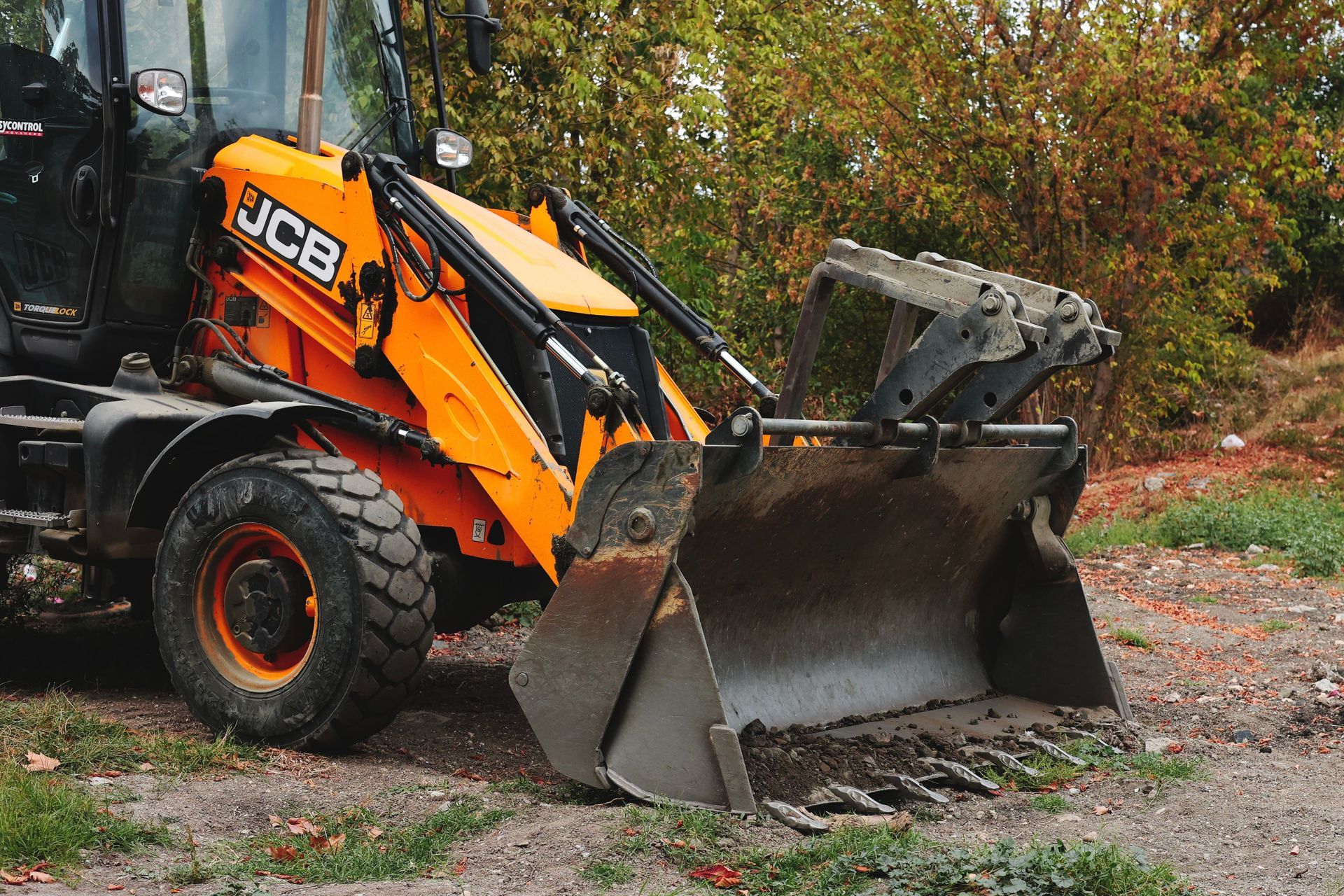
Pond digging involves excavating a basin to specific dimensions, shaping the banks and bottom to promote water retention, and managing soil placement to create stable berms or drainage features. The location, depth, and slope of the pond walls affect how well it holds water, supports aquatic life, and integrates with the surrounding landscape. Proper grading prevents erosion and directs runoff into the pond without carrying excessive sediment.
Schedule a property consultation to evaluate pond placement and discuss size requirements.
What Changes After the Pond Is Completed
The process starts with evaluating soil composition, water sources, and drainage patterns to identify the best pond location. Excavation removes soil to the planned depth, with the bottom graded to allow for deeper zones that resist freezing and shallow edges that support plant growth. Soil removed during excavation is often used to build berms or grade surrounding areas, reducing the need to haul material off-site.
Once the pond is dug and filled, you'll see a functional water feature that collects runoff, provides livestock access, or supports fishing and recreation. The water level stabilizes as the soil compacts and seals naturally, and vegetation begins to establish along the banks. A properly excavated pond maintains consistent water levels through seasonal changes and provides long-term value to the property.
Pond projects vary based on intended use—agricultural ponds prioritize livestock access and reliable water supply, while recreational ponds focus on depth for fish habitat and aesthetics. Some properties require additional features like overflow spillways to manage excess water during heavy rain, while others benefit from islands or varied depths to create diverse habitats. Travis Excavating tailors each pond to the property's terrain and the landowner's goals.
What Property Owners Usually Ask
Landowners in the Clarksville region often have questions about pond sizing, water sources, and how soil conditions affect long-term performance.
How deep should a pond be?
Depth depends on the pond's purpose—livestock ponds typically range from six to ten feet at the deepest point, while fish ponds often exceed ten feet to prevent complete freezing and support healthier aquatic populations.
What soil types hold water best?
Clay-heavy soils common in north Tennessee naturally seal and retain water, while sandy or rocky soils may require additional compaction or imported clay to prevent seepage.
How long does it take for a pond to fill?
Fill time depends on the water source—ponds fed by springs or streams fill faster than those relying solely on surface runoff, and seasonal rainfall patterns in Clarksville affect initial filling and long-term water levels.
What affects the cost of digging a pond?
Cost factors include pond size, depth, soil conditions that affect excavation speed, distance to place excavated material, and whether additional features like spillways or access ramps are needed.
When is the best time to dig a pond?
Late summer and fall are often preferred because soil is drier and easier to excavate, and cooler weather reduces equipment stress during extended digging projects.
Travis Excavating serves landowners throughout the Clarksville region with pond excavation tailored to property conditions and long-term use. Contact us at (931) 801-5485 to walk your property and discuss pond options.