Walls That Stop Erosion and Hold Slopes
Retaining Walls in Clarksville for properties with drainage problems and unstable sloped terrain
Sloped properties throughout north Tennessee face ongoing erosion that washes away soil, undercuts landscaping, and channels water toward structures. Travis Excavating builds retaining walls in Clarksville that stabilize terrain and redirect drainage before further damage occurs. These installations serve residential and commercial properties where grade changes threaten long-term site stability.
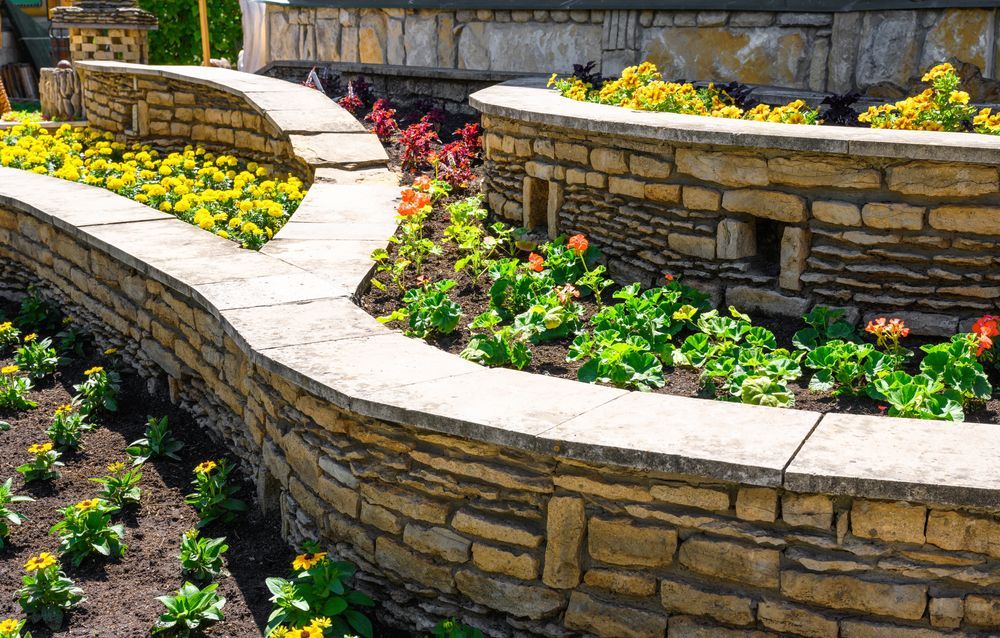
Retaining walls function as structural barriers that hold back soil on sloped ground while allowing controlled water movement through or around the barrier. Each installation addresses both the visible erosion and the underlying drainage patterns that caused the slope failure. The design accounts for soil type, water flow volume, and the load the wall must support over decades of freeze-thaw cycles and seasonal saturation.
Schedule a property evaluation to identify specific drainage concerns and determine the retaining wall design suited to your site conditions.
What Proper Retaining Wall Installation Requires
Installation begins with excavation to stable subgrade, followed by compacted base material that provides consistent bearing and drainage beneath the wall structure. The wall itself is built with materials selected for load capacity and durability, with backfill drainage systems that prevent hydrostatic pressure from building behind the structure. Each layer is compacted and verified before the next phase begins.
Once the wall is complete, you'll notice that runoff follows new drainage paths instead of eroding slopes, soil stays in place during heavy rain, and previously unstable areas support landscaping or structures without settlement. The difference becomes obvious during the first significant storm when water moves where the wall directs it rather than cutting channels through unprotected slopes.
Retaining walls vary in height, material, and reinforcement depending on the load they carry and the soil conditions beneath them. Some installations require geogrid reinforcement for taller walls or poor soil conditions, while others rely on mass and proper drainage alone. The approach depends on engineering requirements specific to each site.
What Property Owners Usually Ask
Questions about retaining walls often focus on design requirements, material options, and how drainage systems integrate with the structure. The answers below address common concerns before installation begins.
What determines the height and design of a retaining wall?
The wall design depends on the height of the slope, soil type, water flow patterns, and the load it must support, with engineering calculations determining reinforcement and drainage requirements for each installation.
How does a retaining wall improve drainage on sloped properties?
Retaining walls include backfill drainage systems that capture water moving through the slope and redirect it through weep holes or drain pipes, preventing saturation and pressure buildup that would otherwise destabilize the structure.
When is the best time to install a retaining wall in Clarksville?
Installation works best during dry conditions when excavation and compaction can proceed without delays from saturated soil, typically late spring through early fall when ground conditions remain stable throughout the construction process.
What materials are used for retaining wall construction?
Material selection depends on height, load, and site conditions, with options including segmental block, poured concrete, and treated timber, each offering different load capacities and drainage characteristics suited to specific applications.
How long does a properly installed retaining wall last?
Walls built with appropriate drainage systems and base preparation typically provide structural support for decades, with longevity determined by construction quality, drainage performance, and ongoing maintenance of backfill systems that prevent pressure buildup.
Travis Excavating provides retaining wall solutions backed by decades of excavation and site stabilization experience. Request a detailed estimate based on your property's slope conditions and drainage requirements.